Aluminium Series
Thermal fins integrated into structural unibody.
Thermal Engineering · CNC Machining · Bead-blasting · Anodizing
-14.2°C
22 min
Ra 0.8
IP67
Industrial edge computing hardware generates intense localized heat without allowing active fan cooling due to dust ingress. We designed an all-aluminum thermal-dissipation enclosure that pulls heat directly from the board's SoC via copper heat pipes and redistributes it across exterior fins.
Fanless Thermal Bottlenecks
Sealed enclosures trap heat inside. When processors throttle down, system reliability plummets. Gasket channels also deform if wall sections lack uniform stiffness.
- ▸Component operating envelope restricted to maximum 72°C in ambient 45°C environments.
- ▸Zero secondary fasteners on top face — underside blind mounting with helicoil inserts.
Conjugate Heat Transfer FEA to Machine Paths
We ran CFD thermal simulations to optimize fin spacing for natural convection before generating 5-axis toolpaths that cut setup count from four to two.
Billet 6061-T6 to Type II Matte Anodizing
Machined parts undergo automated glass bead-blasting to eliminate tool marks, followed by deep black Type II anodizing tested to 500-hour salt spray resistance.
Field Deployment in Hazardous Plants
Over 800 enclosures successfully deployed with zero reported thermal throttle events across a 12-month monitoring cycle.
Thermal Validation Unit
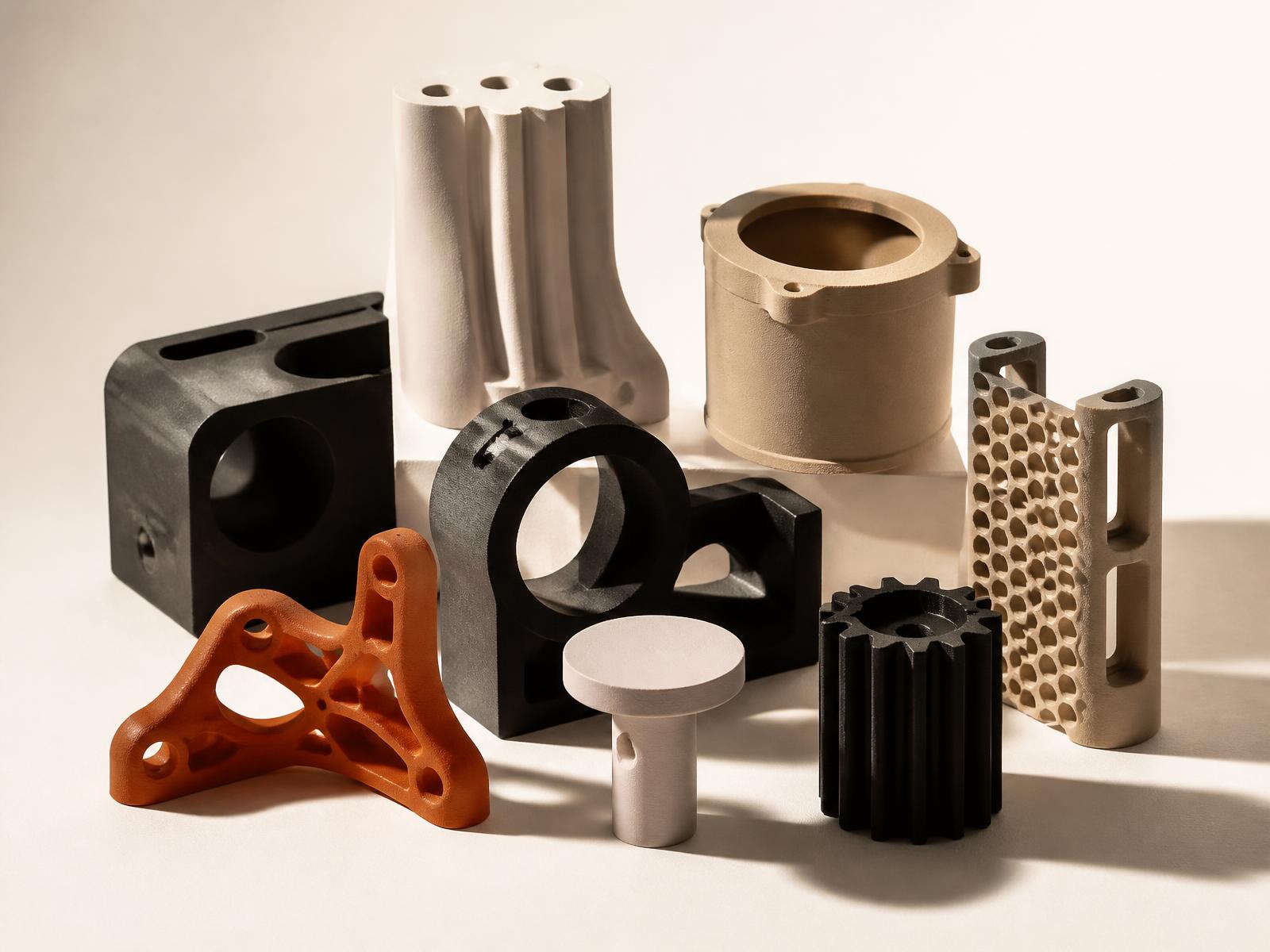
Initial 3D printed nylon concept fitted with thermocouples to verify internal airflow channels.
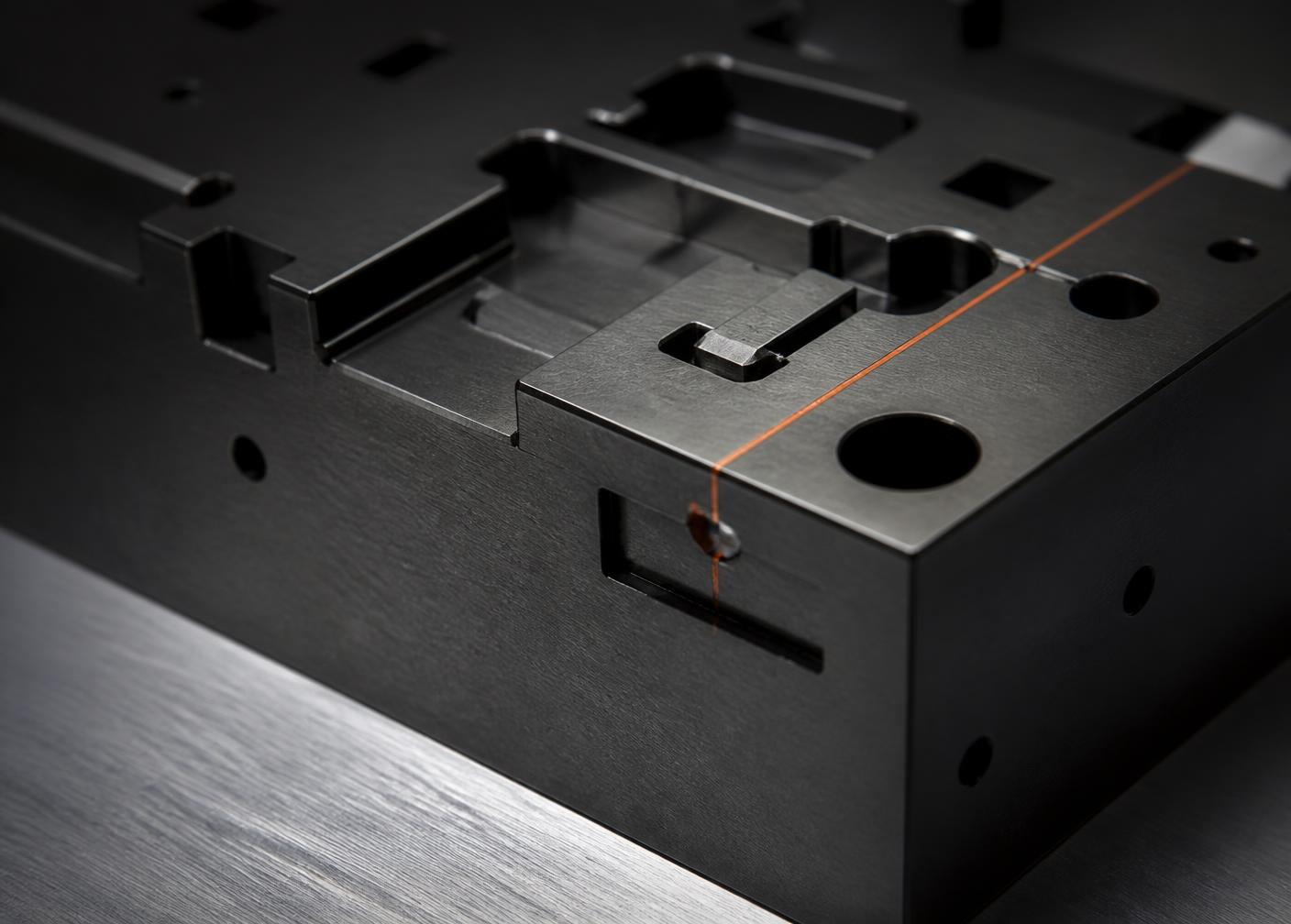
CNC Toolpath Verification
Billet aluminum cavity machining showing the integrated fin profile and seal channel.
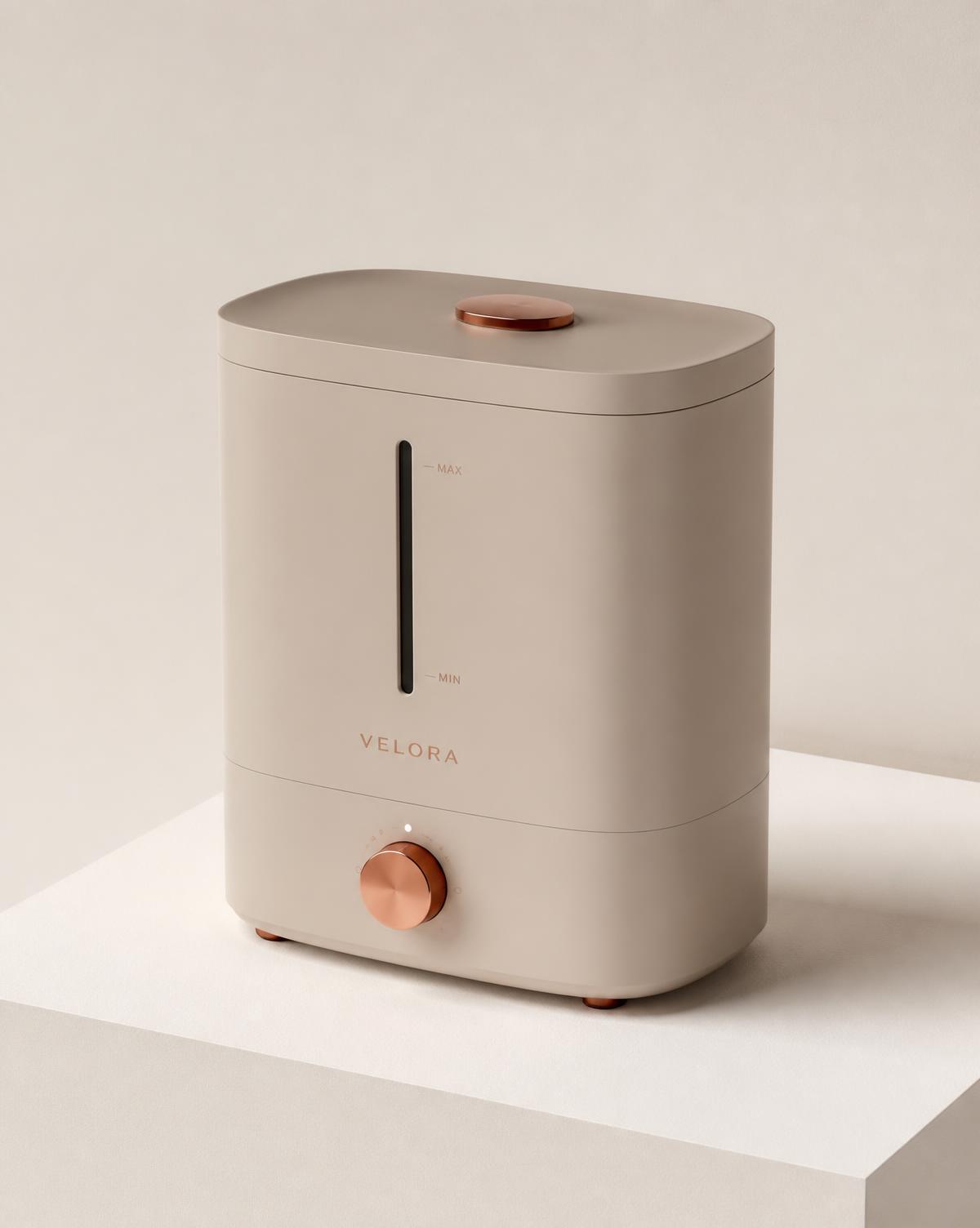
Bead-blasted & Anodized Enclosure Assembly
Complete IP67 sealed assembly ready for mission-critical plant installation.
PX-1 Handheld
Consumer Appliance
Next Project →Wall Decor Series
Architectural & Interior Objects